
Air Conditioner Buying Guide for Singapore Homes (2026): System 1 vs System 3, BTU Sizing & Energy Ticks Explained
Air Conditioner Buying Guide for Singapore Homes (2026): System 1 vs System 3, BTU Sizing & Energy Ticks Explained
Stepping out of the shower only to start sweating again before you even get dressed is a daily reality in Singapore. Our tropical heat runs year-round, and running your cooling setup can easily consume 40% to 50% of your monthly electricity bill. Choosing the right air conditioner in Singapore is not just about keeping cool; it protects your monthly budget.
Most homeowners face two main hurdles during key collection: figuring out which system layout matches their floor plan, and calculating how much cooling power they actually need. Star Living built this guide to help you strip away the technical jargon, calculate your BTU capacity, understand NEA tick ratings, and choose your setup with total confidence.
Split-Type Aircon 101: How It Works
What "Split Type" Means
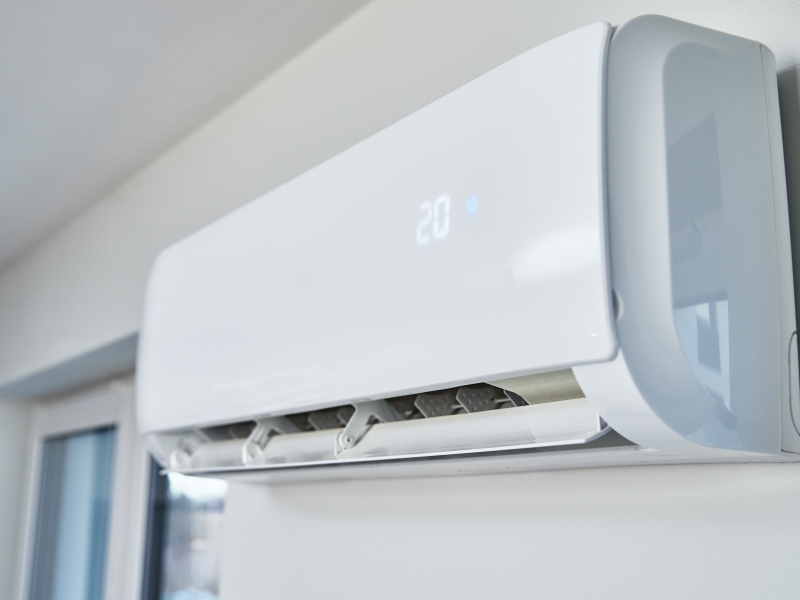
A split-type air conditioner splits the cooling job into two separate components. You mount sleek fan coil units indoors to distribute cold air, while the noisy compressor sits outside on your service ledge to release heat. This structure differs completely from portable or window units, which pack every mechanical part into one box inside your room.
Why Split Systems Rule HDB Flats and Condos
Silence makes all the difference when you are trying to sleep. By moving the heavy compressor machinery outside onto the ledge, split systems keep your bedroom quiet. They fit seamlessly into tight HDB and condo layouts, running far more efficiently than portable units while blending into your interior decor.
Understanding Aircon "Systems" (System 1 to System 5)
The Golden Rule of System Numbers
The system number simply tells you how many indoor units connect to a single outdoor compressor. A System 3 setup means three indoor fan coils draw power from one shared compressor outside.
System 1: Built for Studio Apartments and Single Spaces
System 1 connects one indoor unit to one dedicated compressor. This setup works brilliantly for studio apartments, home offices, or single room additions where you do not need cooling anywhere else in the house.
System 2 and System 3: The Sweet Spot for Most Homes
A system 3 aircon serves as the gold standard for standard HDB flats and condo layouts. It gives you dedicated units for three bedrooms, or allows you to cover two bedrooms alongside your main living hall without cluttering your aircon ledge with multiple compressors.
System 4 and System 5: Sprawling Flats and Landed Homes
Larger 5-room HDBs, executive apartments, and landed properties usually require System 4 or System 5 setups to cool every corner of the home. Remember that running all five indoor units simultaneously pushes a single compressor hard, so matching your usage habits matters.
Quick-Reference System Table
|
Property Type |
Layout Focus |
Recommended Setup |
|
Studio / Studio Apartment |
Single main space |
System 1 |
|
3-Room HDB / 2-Bed Condo |
2 Bedrooms + Living Room |
System 2 or System 3 |
|
4-Room HDB / 3-Bed Condo |
3 Bedrooms + Living Room |
System 3 or System 4 |
|
5-Room HDB / Executive Flat |
3 Bedrooms + Large Living Space |
System 4 or System 5 |
|
Landed Property |
Multiple floors and high ceilings |
Multiple System 3 / 4 setups |
BTU Sizing: Matching Cooling Power to Room Size
What BTU Means
BTU stands for British Thermal Unit. Think of it as the cooling horsepower of your unit. Higher numbers mean your aircon removes heat faster, but bigger is not always better.
Rough BTU Sizing Guide for Local Spaces
Use this quick aircon BTU guide to map out your home:
- Standard HDB Common Room (100–140 sq ft): 9,000 BTU
- Master Bedroom (150–200 sq ft): 12,000 BTU
- Standard Living Room (250–350 sq ft): 18,000 BTU
- Large Open-Concept Living & Dining Area (400+ sq ft): 22,000 to 24,000 BTU
Why Wrong Sizing Wastes Your Money
Undersized units struggle constantly. They run at maximum capacity without ever cooling the room, driving up your power bill while wearing out the motor.
Oversized units create the opposite problem through short-cycling. They chill the air so fast that the unit shuts down before removing humidity from the room, leaving you with a cold, damp space and unnecessary energy spikes.
Energy Ticks & NEA Rules Explained
How the Tick System Works
The National Environment Agency (NEA) rates appliances based on energy efficiency. More ticks mean lower monthly bills:
- Multi-Split Systems: Must meet a mandatory minimum of 5 ticks.
- Single-Split Systems: Must meet a mandatory minimum of 4 ticks.
Climate Vouchers: Claiming Your Savings
The Singapore government provides Climate Vouchers to help households lower their utility usage. These vouchers apply exclusively to top-tier 5-tick energy-rated models. Choosing an eligible 5-tick unit lets you offset your upfront purchase price while permanently cutting your monthly power costs.
Running Cost Comparison: 4-Tick vs 5-Tick
Let's look at the financial impact of running a unit for 8 hours every night over a full year:
Annual Savings = (Daily kWh Difference) X 365 X Electricity Tariff
A typical 5-tick multi-split system saves you roughly $150 to $250 every year compared to a lower 4-tick equivalent. Over a standard seven-year lifespan, your 5-tick model easily pays back its initial price difference.
Brands Star Living Carries & Features Worth Buying
Star Living curates reliable air conditioning systems designed to handle Singapore's humid climate.
Top Brand Highlights
Mitsubishi Electric: Famous for whisper-quiet performance, durable build quality, and Easy Clean features that simplify maintenance.
Daikin: Loved for precise climate control, advanced inverter technology, and strong built-in air purification systems.
Midea: Delivers high energy efficiency ratings, fast cooling capabilities, and modern smart features at accessible prices.
Panasonic: Features nanoe™ X air purification tech that neutralises pollutants and keeps indoor air fresh.
Features Worth Your Investment
- Inverter Technology: Adjusts motor speed dynamically instead of shutting off, saving huge amounts of power.
- Smart / Wi-Fi Control: Turn on your cooling from your phone so your flat feels like an ice box the second you step through the door.
- Anti-Bacterial Filters: Traps dust, allergens, and haze particles to keep your household breathing clean air.
- Fast / Flash Cooling: Drops room temperatures quickly when you come home from the afternoon sun.
Installation, Delivery & Aftercare
Ledge Constraints and Structural Piping
Your aircon ledge determines what you can install. HDB regulations set strict guidelines on compressor weights and bracket safety. Professional installers ensure your copper piping uses thick insulation to prevent condensation leaks from ruining your fresh wall paint.
Star Living Service and Maintenance Cadence
Star Living handles your unit from showroom selection through home delivery and installation. Once your system is up and running, book a routine service every 3 to 4 months. Regular servicing cleans out trapped dust, prevents water leaks, and maintains low electricity usage over time.
Which Aircon Should You Buy? Quick Recommendations
- The BTO Couple (3-Room Flat): Grab a System 3 (5-Tick) setup. Cool your master bedroom, guest room, and living room efficiently without overloading your service ledge.
- Family in a 4-Room or 5-Room HDB: Choose a System 4 (5-Tick) setup with a high-capacity 18,000 BTU unit for your living room and 9,000 BTU units for your bedrooms.
- Condo Living Room Upgrade: Pick a high-BTU System 1 or dedicated split unit to cool wide, open-concept dining and living areas with floor-to-ceiling glass.
- Remote Worker / Home Office: A compact System 1 or System 2 inverter unit lets you cool your workspace all day without powering up the whole house.
Frequently Asked Questions
Is System 3 enough for a 4-room HDB flat?
Yes. A System 3 system covers your three bedrooms perfectly. If you want to cool your main living room as well, you can add a separate single split or upgrade to a System 4 setup.
How many BTU do I need for my living room?
Most 4-room and 5-room HDB living rooms require 18,000 to 24,000 BTU, depending on whether you have an open-concept kitchen or direct afternoon sun exposure.
Is a 5-tick aircon worth the extra cost?
Absolutely. The lower monthly electricity bills help the unit pay for itself within two years, and you can offset the initial purchase using government Climate Vouchers.
How often should I service my aircon in Singapore?
Service your units once every 3 months for normal daily use. If you run your system around the clock, clear out the air filters yourself every two weeks to maintain airflow.
Cool Your Home with Star Living
Finding the best air conditioner in Singapore comes down to matching your system setup to your layout, picking the right BTU power, and investing in a 5-tick energy rating.
When you get these basics right, you enjoy cool, comfortable days at home while keeping your utility bills low. Visit your nearest Star Living Signature or browse our aircon collection online today to get your home ready for Singapore's tropical weather.