
How Sustainable Wood Furniture Supports a Healthier Indoor Environment

Introduction
In compact urban settings like Singapore, indoor air quality in homes can have a surprising impact on long-term health. It may come as a shock, but the air inside can sometimes be more polluted due to the invisible toxins released by common household items, including furniture. The World Health Organisation links poor indoor air quality to millions of premature deaths globally each year, mostly caused by prolonged exposure to pollutants.
In this case, sustainable wood furniture helps create a healthier home without compromising aesthetic appeal. Built with low-emission, certified materials such as E1 Grade or CARB P2-compliant wood, these pieces release fewer harmful chemicals into the air, making them a smarter and safer choice for modern homes.
This article will explore the hidden health benefits of sustainable wood furniture, revealing how your décor choices can promote cleaner air and a healthier space to live in.
Key Takeaways:
Because we spend almost 90% of our time indoors, the air we breathe at home has a direct impact on our well-being. Poor indoor air quality, caused by pollutants like VOCs, dust, and mould, can lead to allergies, respiratory issues, and long-term health risks.
Yes. Many conventional furniture items are made with materials like particleboard and MDF that release harmful chemicals such as formaldehyde. These emissions can quietly degrade indoor air quality over time.
Sustainable wood furniture is made from solid timber and treated with low-emission, non-toxic finishes. It helps reduce VOC exposure, making your home safer, healthier, and more eco-conscious.
Check for certifications like E1 Grade and CARB P2, which ensure strict limits on formaldehyde emissions. Choosing certified sustainable wood furniture is a smart way to protect your indoor environment and your family's health. |
Understanding Indoor Air Quality and Its Impact
What is Indoor Air Quality (IAQ)?
Indoor Air Quality (IAQ) refers to the cleanliness, freshness, and safety of the air within enclosed spaces like homes, schools, and offices. While we often focus on what we eat or drink, the air we breathe (about 15 kilograms of it every single day) plays just as crucial a role in our health. With every one of the 30,000 breaths we take daily, we’re either nourishing our lungs or exposing them to harm.
Contrary to popular belief, air pollution isn’t limited to car exhaust or industrial smog. Studies have shown that indoor air can be two to five times more polluted than outdoor air. With minimal airflow, indoor spaces tend to trap different pollutants.

With nearly 90% of our time spent inside, the air within our homes and workplaces has a far greater impact on our health than most people think. Poor indoor air can aggravate asthma, allergies, and respiratory issues. In the long term, it may even contribute to cardiovascular disease and other chronic conditions. Simply put, the air we breathe indoors influences everything from our mood to our immune system.
What Causes Poor Indoor Air Quality?
Understanding why IAQ is essential naturally leads us to the question: What actually causes it to decline? Many sources of indoor air pollution are subtle, often hiding in plain sight within the materials, furnishings, and habits that make up our everyday lives.
Common indoor pollutants include:
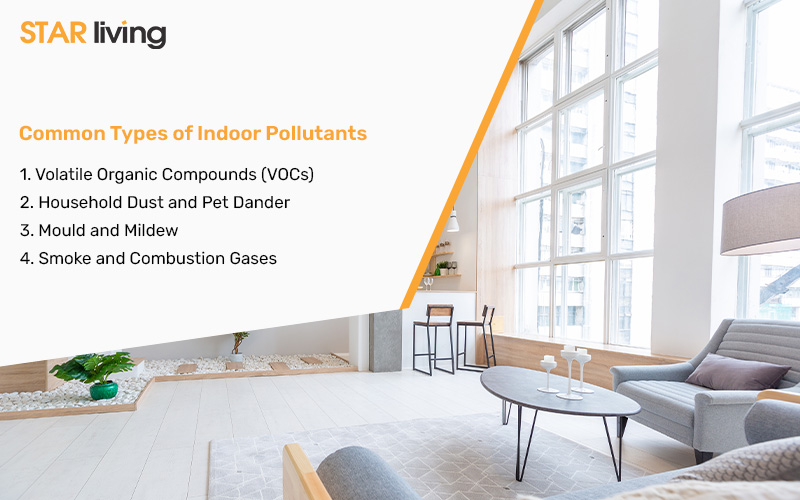
1. Volatile Organic Compounds (VOCs)
These are harmful gases released from a wide range of products, including paints, adhesives, cleaning supplies, and even certain types of furniture. They evaporate easily at room temperature and can linger in the air.
2. Household Dust and Pet Dander
Microscopic particles from skin flakes, fabric fibres, and pet dander often settle into carpets, upholstered furniture, and bedding. Over time, these allergens may give rise to allergies and respiratory irritation.
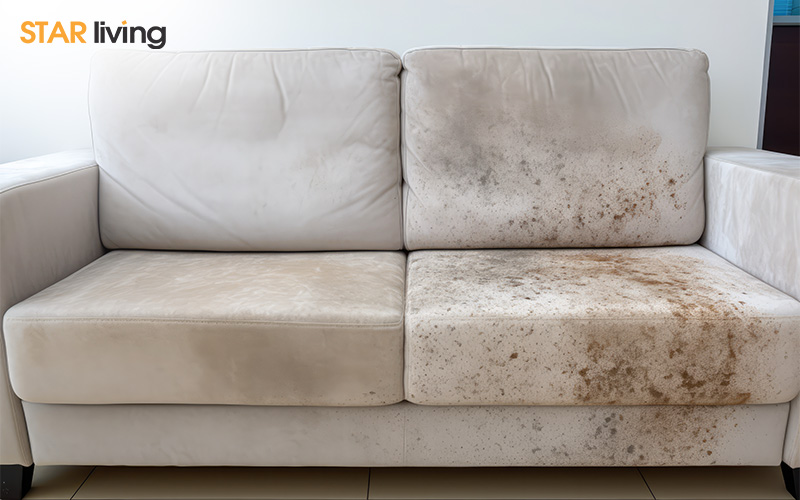
3. Mould and Mildew
When humidity builds up and ventilation is lacking, mould can easily take hold in enclosed spaces. These spores often thrive in corners, behind tiles, or under sinks, gradually escalating to severe respiratory problems.
4. Smoke and Combustion Gases
Common household habits, such as preparing meals, may introduce fine particles and chemicals into the air. Without adequate ventilation, these substances may linger and degrade the IAQ.
Why Your Furniture Could Be Polluting Indoor Air?
While outdoor pollution often gets the blame, many indoor air quality issues begin with the furnishings we bring into our homes. Furniture might seem harmless, but conventional pieces, especially those made with synthetic or low-cost materials, can quietly release harmful chemicals into our living space.
Low-cost or mass-produced furniture is often made using engineered wood products like particleboard, MDF, or plywood. In general, these pressed wood products are held together with adhesives and resins that emit formaldehyde. As a common volatile organic compound (VOC), the substance may cause eye, nose, and throat irritation, as well as long-term health risks.
However, it’s not just the wood that’s a problem. Vinyl wraps, synthetic fabrics, and chemical coatings that repel stains or retard flames may worsen the condition. These materials continue to emit VOCs long after the “new furniture smell” fades. Even the paints, varnishes, and lacquers used to give furniture its glossy appeal can be sources of indoor pollutants.
This is where sustainable wood furniture offers a smarter, healthier alternative. Made from responsibly sourced timber and finished with non-toxic glues, oils, and sealants, these eco-friendly home furnishings are key to creating a cleaner, more breathable living environment.
How Does Poor Indoor Air Pose Health Risks?
Recognising that furniture and other everyday items affect indoor air is only part of the story. The bigger concern lies in how this invisible pollution can undermine your health—sometimes gradually, sometimes more abruptly.

1. Short-Term Effects
In the short run, breathing in indoor pollutants can lead to discomfort that’s often mistaken for common fatigue or seasonal allergies. Common symptoms include:
- Irritation of the eyes, nose, and throat: Often caused by VOCs, dust, or mould spores lingering in the air.
- Headaches, dizziness, and fatigue: These are frequent signs of chemical exposure, especially in poorly ventilated spaces.
- Allergic reactions and asthma flare-ups: Pollutants like pet dander, dust mites, and mould can trigger or worsen existing respiratory conditions.

2. Long-Term Effects
Although short-term symptoms can often be dismissed or treated, the real danger is in the cumulative effect of poor air quality over months or even years. Prolonged exposure can result in:
- Chronic respiratory issues: Including bronchitis, reduced lung function, or long-term asthma complications.
- Cardiovascular strain: Some tiny pollutants can pass through the lungs and enter the bloodstream, placing extra strain on the heart.
- Increased cancer risk: Formaldehyde and other VOCs have been classified as potential carcinogens, particularly with consistent exposure from household materials.
No matter how quickly or gradually symptoms appear, one thing is certain—clean air is vital to your overall health. Choosing low-emission, non-toxic options like sustainable wood furniture is a smart way to protect your well-being in the long run.
Investing in Sustainable Wood Furniture For Better Indoor Air Quality
How Sustainable Wood Furniture Makes a Difference
Improving indoor air quality doesn’t always require an overhaul—it can start with something as simple as the furniture you choose. Looks and comfort are important, but it’s the materials inside your furniture that truly influence the air quality in your home. Making the switch to sustainable wood furniture benefits both the Earth and your indoor well-being.
1. Lower Emissions of Harmful Chemicals
Furniture made from engineered wood like MDF or particleboard often contains glues and finishes that release harmful gases, including formaldehyde. These emissions often continue for months or even years after purchase.
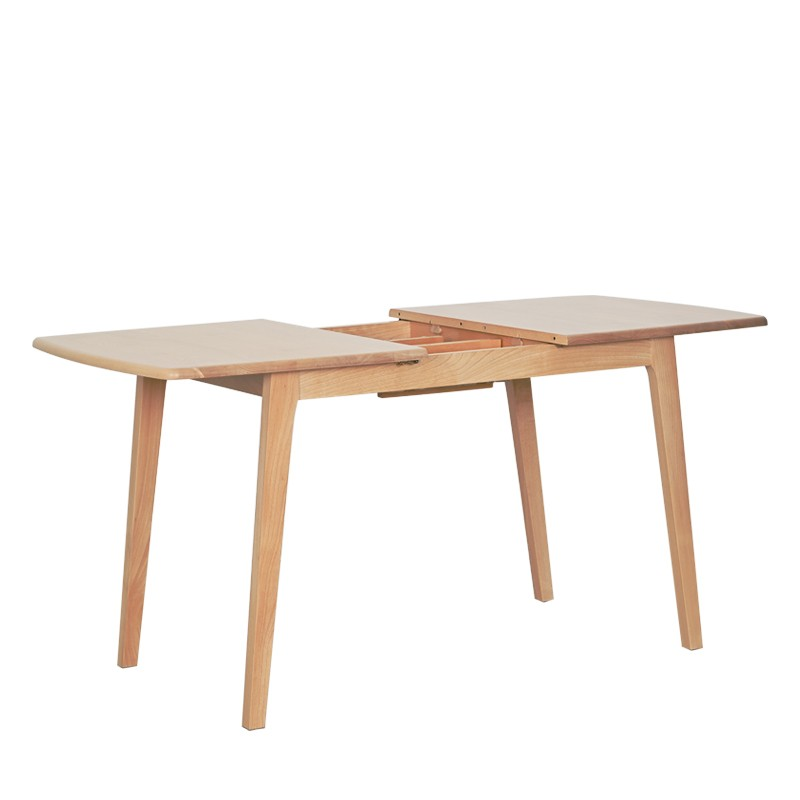
In contrast, sustainable wood furniture, such as a solid wooden dining table, is crafted using natural materials that are safer for indoor use. These pieces are finished with low-emission coatings, which help reduce the presence of harmful chemicals in your living space.
2. Fewer Toxins in the Home
For families with young children, elderly members, or anyone with asthma or allergies, cleaner indoor air is a priority. Sustainable options avoid high-emission components, making them ideal for bedrooms, dining areas, and other frequently used spaces.
For example, choosing a wooden bed frame in Singapore that’s made from certified low-VOC materials helps reduce nighttime exposure to harmful substances. Such an investment supports better sleep and overall respiratory health.
3. Better Air, Better Living
Every piece of furniture contributes to your home’s indoor environment. With its low-VOC and toxin-free makeup, sustainable wood furniture helps you maintain a fresher, cleaner space. Shopping for your favourite piece on online furniture platforms in Singapore? Remember to prioritise non-toxic materials for your family's well-being—not just in the present, but for years to come.
What to Look For in Sustainable Wood Furniture
Not all furniture marketed as “eco-friendly” lives up to the claim. To truly improve your indoor air quality, it’s important to look beyond surface-level labels and understand the materials and certifications that matter.
1. E1 Grade and CARB P2 Certifications
When buying furniture, especially online, it’s helpful to check for certifications like E1 Grade or CARB P2. These global standards indicate that the product meets strict limits for formaldehyde emissions. Choosing certified furniture helps limit exposure to indoor air toxins, which is especially important in homes with infants, the elderly, or allergy-prone individuals.
2. Solid Wood Over Composite Materials
Opt for solid wood pieces whenever possible. Unlike composite materials like MDF or particleboard, solid wood is built from whole pieces of natural timber. It doesn’t require the same level of synthetic adhesives or chemical treatments, which means it’s far less likely to emit harmful substances. As a result, solid wood is not only more long-lasting but also a healthier option for your home environment.
3. Eco-Friendly Finishes and Adhesives
Many conventional varnishes, paints, and glues used in furniture manufacturing contain hidden toxins. These finishes may look flawless, but they can emit VOCs long after the furniture is placed indoors. To minimise this risk, consider shopping for low-VOC furniture in Singapore—pieces made of safer alternatives such as water-based finishes, natural oils, or non-toxic adhesives. These materials offer the same level of durability and aesthetic appeal without compromising your IAQ.
What Do E1 Grade and CARB P2 Mean?
Before bringing new furniture into your home, it’s worth taking a closer look at its materials and how it affects overall IAQ. E1 Grade and CARB P2 certifications indicate a product’s safety and its level of chemical emissions. Understanding these standards can help you make smarter decisions when investing in sustainable wood furniture.
1. E1 Grade Certification
The E1 Grade is a widely recognised European standard that limits the amount of formaldehyde emissions released from wood-based panels. Under this certification, emissions must not exceed 0.124 mg/m³, making E1-certified furniture safe for indoor environments, especially those with limited ventilation. Sustainable wood furniture meeting this standard is less likely to pollute indoor air or trigger allergies.
2. CARB Phase 2 Compliance
CARB P2, short for California Air Resources Board Phase 2, was developed in the US. It aims to control formaldehyde emissions from composite wood products, including MDF, particleboard, and hardwood plywood. Setting even stricter limits on emissions than earlier phases, this regulation covers not just raw panels but also finished furniture that contains these materials. That’s why CARB P2-certified products are considered safer for long-term indoor use.
Why Choose Star Living: Furniture with a Greener Purpose
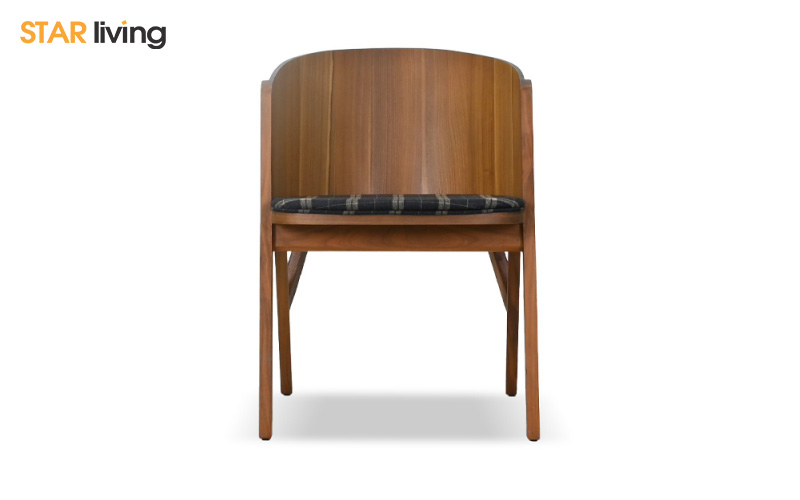
Design should feel good in every way. At Star Living, we make furniture that’s safe, sustainable, and stylish. Our pieces use certified low-emission materials to support your health and reduce airborne pollutants. From wooden dining chairs to formaldehyde-free furniture, we build with care so you can feel protected in every choice.
1. Designed with Purpose, Built for the Future
We use sustainably sourced wood and low-emission materials that meet strict international safety standards, including E1 Grade and CARB P2 compliance. From compact coffee tables to full-size sustainable wood furniture sets, our designs aim to enhance your space without compromising IAQ.
2. Durable by Design
Furniture should stand the test of time. That’s why every Star Living piece undergoes thorough quality checks to ensure strength, stability, and comfort. Count on their long-lasting performance with minimal environmental impact.
3. Progressive by Nature
To us, sustainability is a long-term commitment, not a marketing buzzword. We're dedicated to finding cleaner materials and improving how we make our furniture. Our goal? To make sure each piece is as environmentally conscious as it is useful.
4. Certified Confidence
We don’t expect you to take our word for it. Our commitment to health and sustainability is backed by the right certifications. From sourcing to finishing, you can trust that our furniture is built to meet the highest standards for safety in your home.
Frequently Asked Questions
1. How can I tell if furniture is low in emissions?
Look for labels like E1 grade, CARB P2, GREENGUARD, or FSC-certified. These certifications indicate that the furniture has been tested and meets specific environmental and health safety standards.
2. Can sustainable furniture be stylish and modern?
Absolutely. Many designer furniture brands in Singapore offer sustainable wood furniture collections that blend clean aesthetics with eco-conscious craftsmanship.
3. How do I maintain sustainable wood furniture?
Use gentle, non-toxic cleaners and avoid harsh chemicals that can degrade finishes. Dust regularly and protect surfaces from direct sunlight or moisture. Proper care helps preserve both the appearance and air-safe qualities of your furniture.
Conclusion
Choosing sustainable wood furniture demonstrates a commitment to healthier living and a cleaner planet. By reducing harmful emissions and using responsibly sourced materials, you’re not only creating a safer home environment but also supporting eco-friendly practices that make a lasting difference.
At Star Living, we make it easier to bring this vision to life. Our furniture collections are designed with both well-being and sustainability in mind. Since 1981, we’ve been helping families across Singapore, Malaysia, Taiwan, and China create better living spaces. Through our online furniture shop in Singapore, we’re proud to continue that journey with furniture that truly cares for you and the world around you.
Ready to make the mindful choice today? Contact us and shop for furniture that feels good, looks good, and does good.